

Why the Best Leaders Help People Expand, Not Shrink
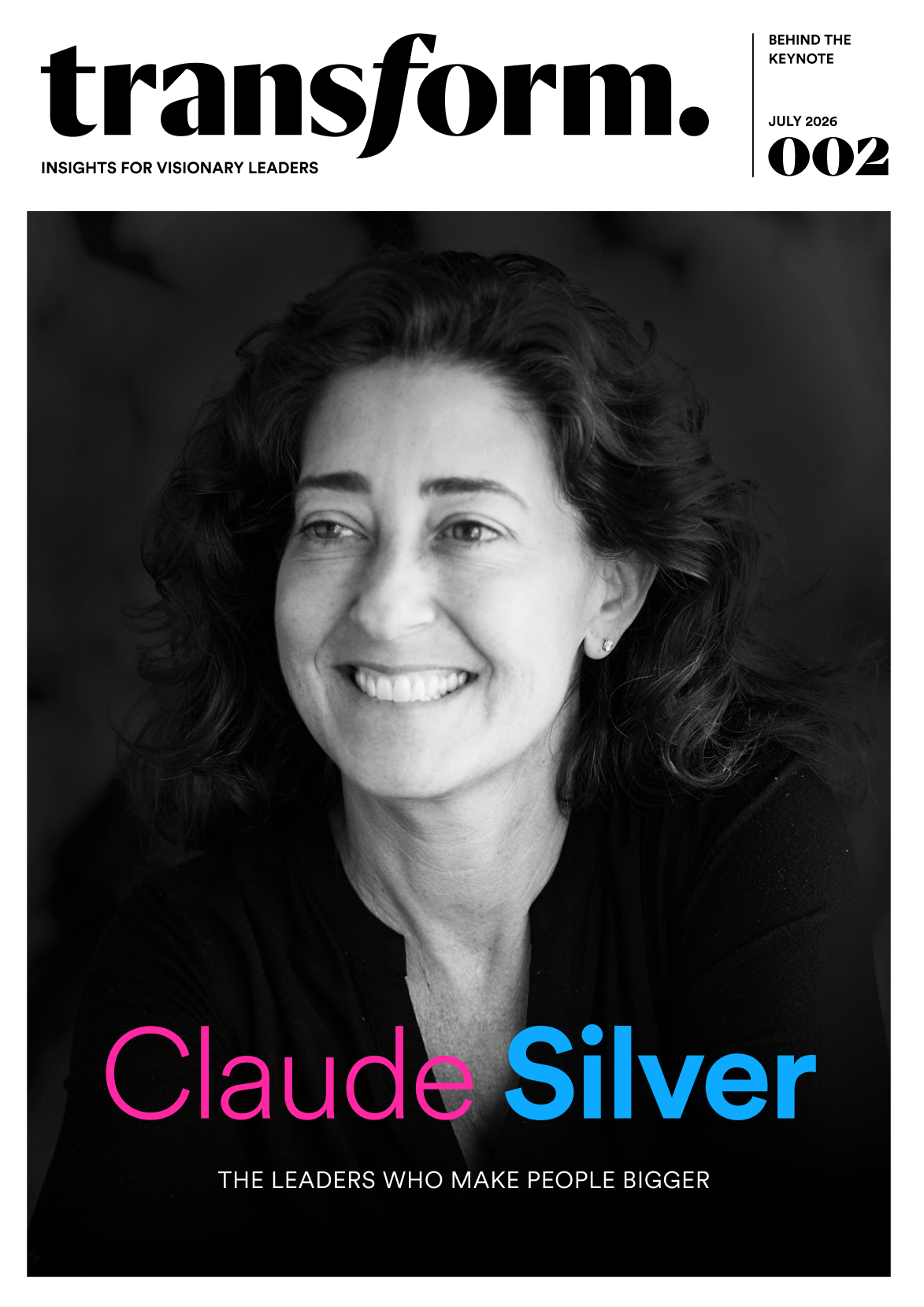
VaynerX executive Claude Silver believes leadership is about more than performance. It’s about building workplaces where people never lose the confidence, curiosity, and ambition they walked in with.
by
Marielle Bobo
Global Head of Content Strategy
Transform
M ost people don’t walk into a new job already checked out. They show up energized, hopeful, a little nervous in a good way. They have ideas they can’t wait to share. They raise their hand before anyone even asks. They genuinely believe that this next chapter is going to stretch them in new and exciting ways.
And then, somewhere along the way, something shifts. The ideas come less often. The confidence dims. Slowly, they become a smaller version of the person who first walked through the door.
Claude Silver has watched this play out more times than she can count, and she refuses to accept it as inevitable. “I’ve seen so many people come in as giants,” she says. “So many people come in stoked and ready for the opportunity, then I see them shrink.”
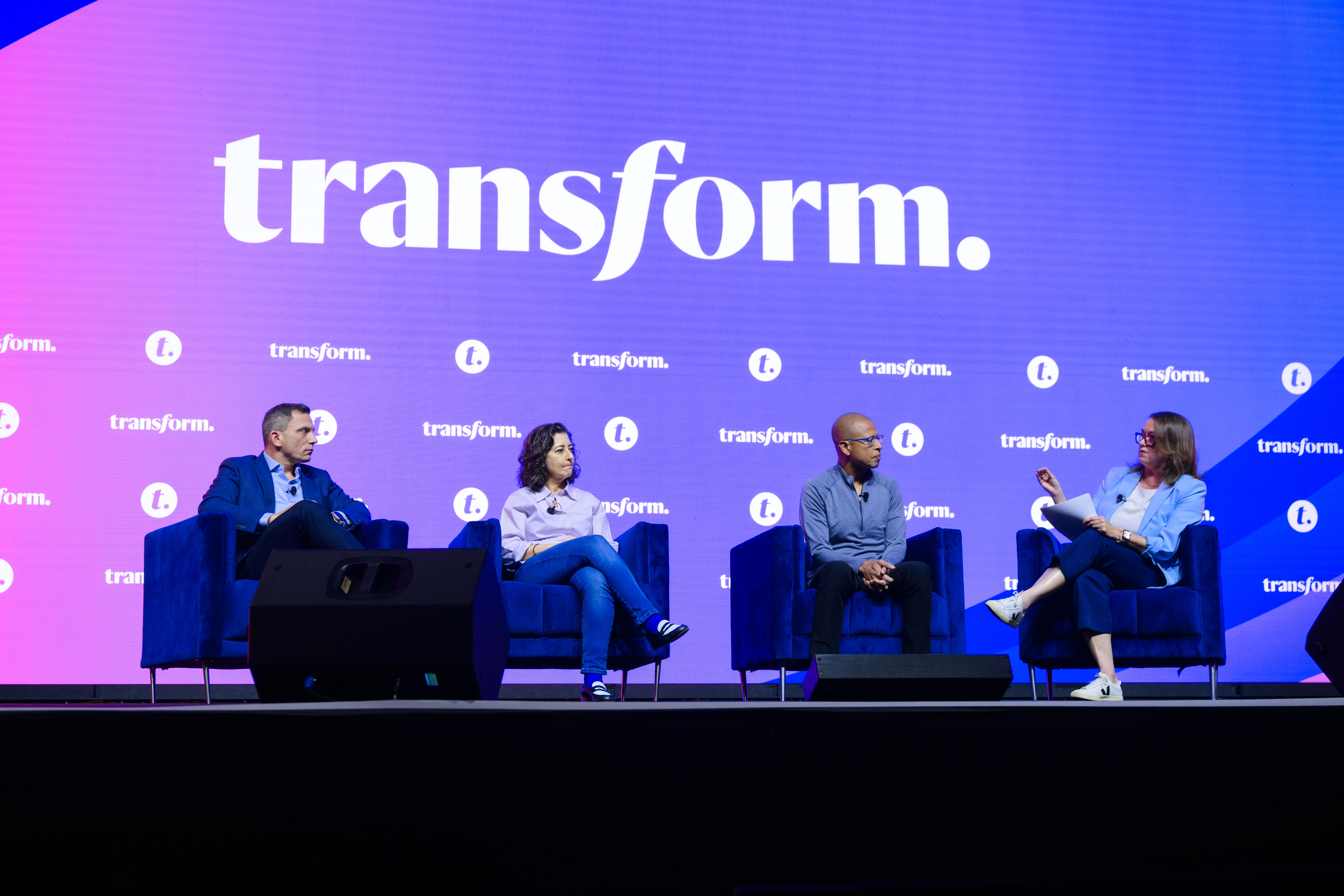
For Silver, Chief Heart Officer at VaynerX, that’s one of leadership’s greatest failures. Sitting in the seat means building people alongside the business. That idea became the throughline of her time at Transform, both on stage and in our Behind the Keynote conversation: the true measure of leadership isn’t what you build, but who you build. The companies that win will be the ones that understand the difference.
“ I’ve seen so many people enter a new workplace as giants–stoked and ready for the opportunity–then I see them shrink.”

Claude Silver on protecting people’s potential
A Leadership Model Built Around People
Silver can point to the exact moment she decided to reject traditional leadership models. It was 2006, she remembers watching executives operate behind closed doors: distant, hierarchical, hard to reach. Employees knocked before entering, hoping the person on the other side even knew their name.
She made herself a promise: “when I’m a leader, I’m not going to do that.” What she pictured instead was looser, warmer, less performance and more presence. Leadership that felt approachable; the kind you could actually get to.
“We don’t want top-down leadership,” she says. “We want leadership to come from everywhere…for people to feel like leaders are available, can mentor them, coach them, and just be real with them.”
That instinct feels almost urgent now. People are looking for more access to leaders: they want someone who feels present instead of protected, and when that shift happens, the whole organization feels a little steadier.
Why People Shrink at Work
Silver doesn’t think people lose their spark all at once. It happens slowly via a string of small erosions. The manager who never quite gets around to real feedback. The good idea that lands and just sits there. The employee who gives everything and hears nothing back. A culture where asking for help feels risky.
Over time, the confidence wears thin, people stop taking chances, and instead of doing their best work they start protecting themselves. “Connection is the key here,” Silver says. “Everything speeds up when there’s connective tissue and people feel like they have a sense of not only safety, but that they belong.”
That sense of belonging is the foundation everything else sits on. When people feel safe, they stop spending their energy guarding themselves. They ask better questions, collaborate more, and admit when they’re stuck. “I can exhale,” Silver says. “I’m going to go ask for help because I don’t feel shame.” That exhale is what every organization is quietly chasing: people with enough safety to do their best work.
“ Empathy can cost you your boundaries. We have a tendency to over-empathize, which ends up coddling.”
Claude Silver on the fine line between supporting and saving
The Best Leaders Don’t Take Over
One of Silver’s most enduring beliefs comes down to a simple image: the best leaders don’t drive. They ride shotgun.
Too often, leadership gets confused with rescue: a manager steps in before someone has the chance to struggle, hands over the answer instead of letting someone reach for it, and makes the call themself because it’s faster than walking someone else through it. The instinct is kind, but the long-term effect isn’t.
“Empathy can cost you your boundaries,” she says. “We have a tendency to over-empathize, which ends up coddling.” Her approach runs the other way. “I want to ride shotgun with you. I want to be there with you. I want you to know that I see you. And I believe in you.”
That’s the balance she keeps coming back to. “I see you” is empathy. “I believe in you” is optimism. Put them together and you get something sturdier than either alone: confidence. Instead of reaching in to fix the problem herself, Silver points people back toward what they already have. Don’t pull the splinter out for them. Show them where the first-aid kit lives. That’s the difference between leadership that creates dependence and leadership that builds someone up.
Compassion Takes Courage
One of Silver’s hardest lessons came out of a mistake. Early in her career, she cared so much about protecting one employee’s feelings that she avoided giving honest feedback for months. Eventually, she had to let them go. “They had all the compassion,” she says. “But I wasn’t being honest.” The employee was blindsided, and Silver has never forgotten what that taught her. “Accountability and empathy are kissing cousins. You really need both.” Real leadership doesn’t sidestep the hard conversations. It has them early enough for someone to actually grow from them.
Join your peers, business leaders and an all-star line-up of speakers to shape the future of people + work.

April 12-14 | Fontainebleau Las Vegas

Why This Matters Even More in the Age of AI
As AI reshapes the workplace, most organizations are chasing speed. Silver believes leaders need to be just as deliberate about protecting what technology can’t touch.
“In this age of uncertainty and AI, there’s so much fear in the system,” she says. “The thing that we want to preserve is human connection.” AI can automate tasks. It can summarize meetings and help us move faster. What it can’t do is make someone feel seen.
“AI is one-dimensional right now,” she says. “We are multidimensional.” That’s why she believes vulnerability, emotional intelligence, and gratitude matter more. The future will belong to the organizations that figure out how to keep people at the center while everything else changes around them.
“Everything speeds up when people feel not only safe, but that they truly belong.”
Claude Silver on why connection changes everything
What This Means in Practice for People Leaders
As organizations rethink leadership for the future of work, Silver’s philosophy offers a practical blueprint:
Measure growth, not just performance.
Ask whether your managers leave people more confident, capable, and engaged than when they arrived.
Replace hierarchy with accessibility.
The best leaders are visible, available, and invested in coaching.
Ride shotgun, not the driver's seat.
Support people without solving every problem for them. Coaching builds confidence. Rescuing builds dependence.
Balance empathy with accountability.
Care enough to tell the truth. Honest feedback is one of the greatest gifts a leader can give.
Recognize people before they start wondering if anyone noticed.
Early in her career, Silver remembers whole weekends spent at work without a single acknowledgment. Never underestimate what it means to make someone feel seen.
Protect the human moments.
As AI becomes part of our everyday, make room for face-to-face conversations, real thank yous, and celebrations that go beyond Slack emojis.
Leadership’s Greatest Legacy
Leadership tends to get measured in growth, revenue, and results. Those things matter, but Claude Silver makes the case for something deeper: what happens to people after they’ve worked for you?
Do they leave more confident than when they arrived? More courageous? More curious? Or did they slowly shrink under your watch? The leaders who define the future will be the ones who understand early on that the job was never really about managing performance. It was about expanding what a person believed they were capable of.
Some days that’s a hard conversation you’ve been putting off. Other days it’s making space for someone to be vulnerable in front of you. And most of the time, it’s as simple as just showing up, riding shotgun, letting someone else take the wheel, and watching them get a little bigger from it.
More Behind the Keynote Spotlights

Follow us for regular updates