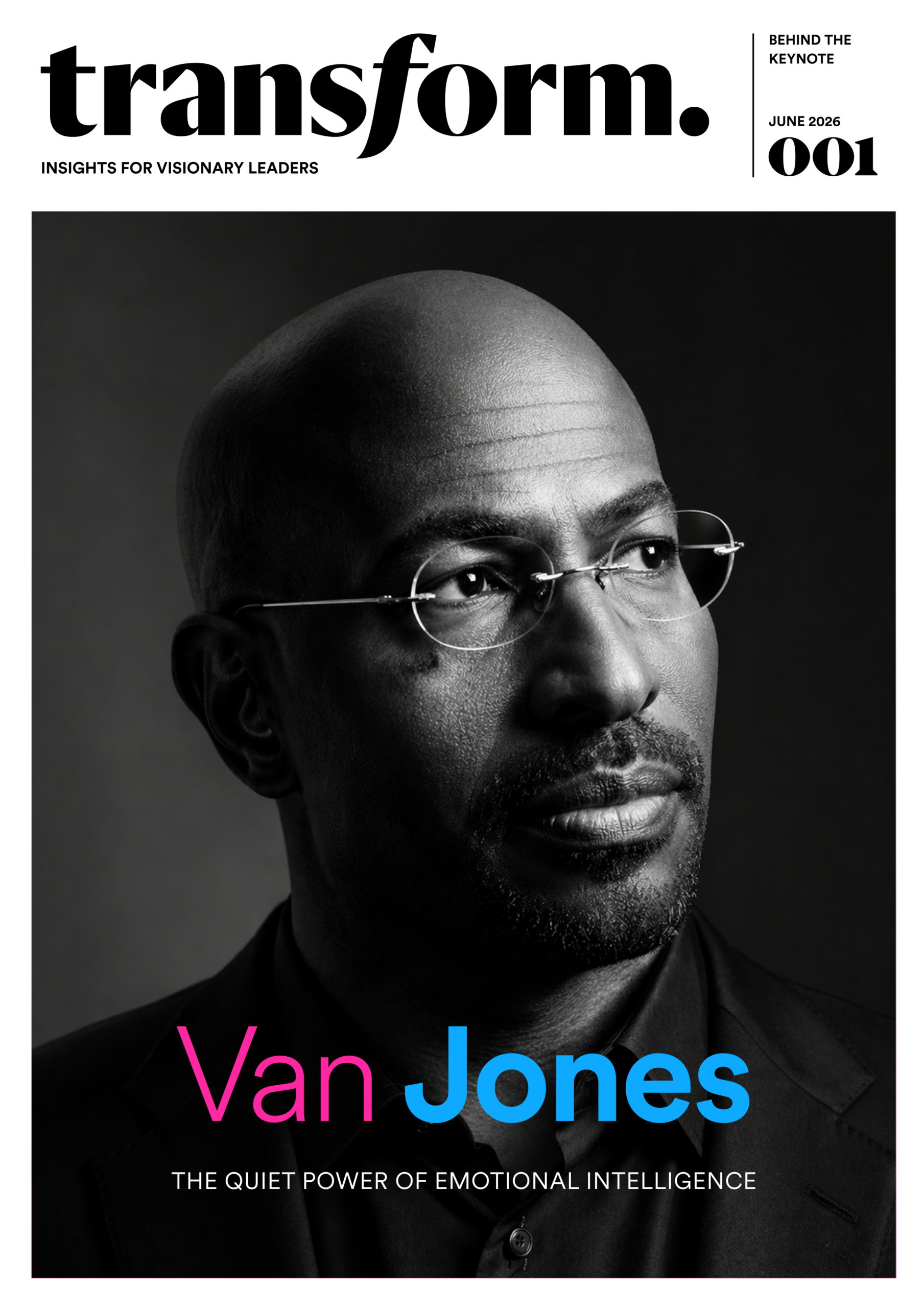
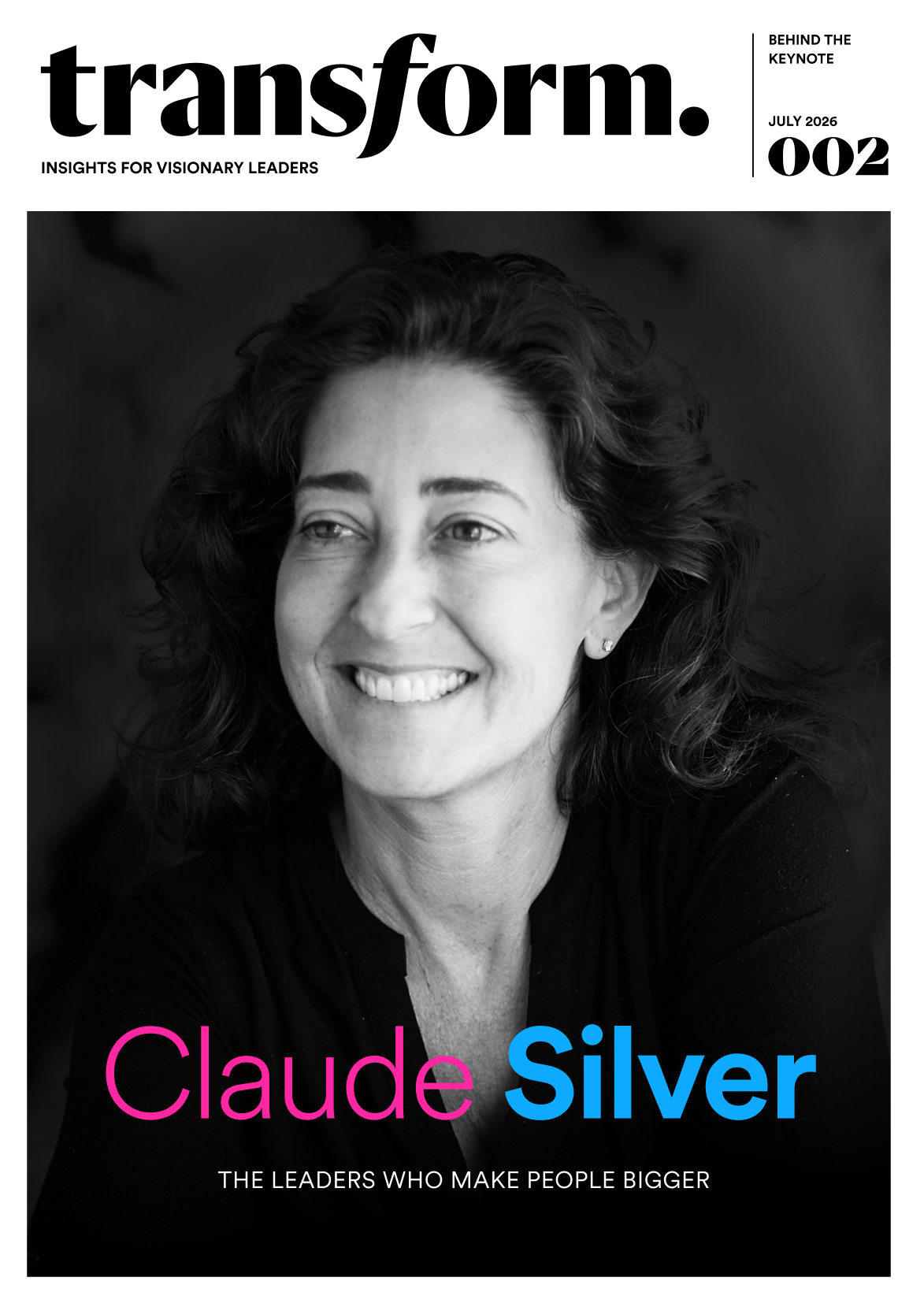
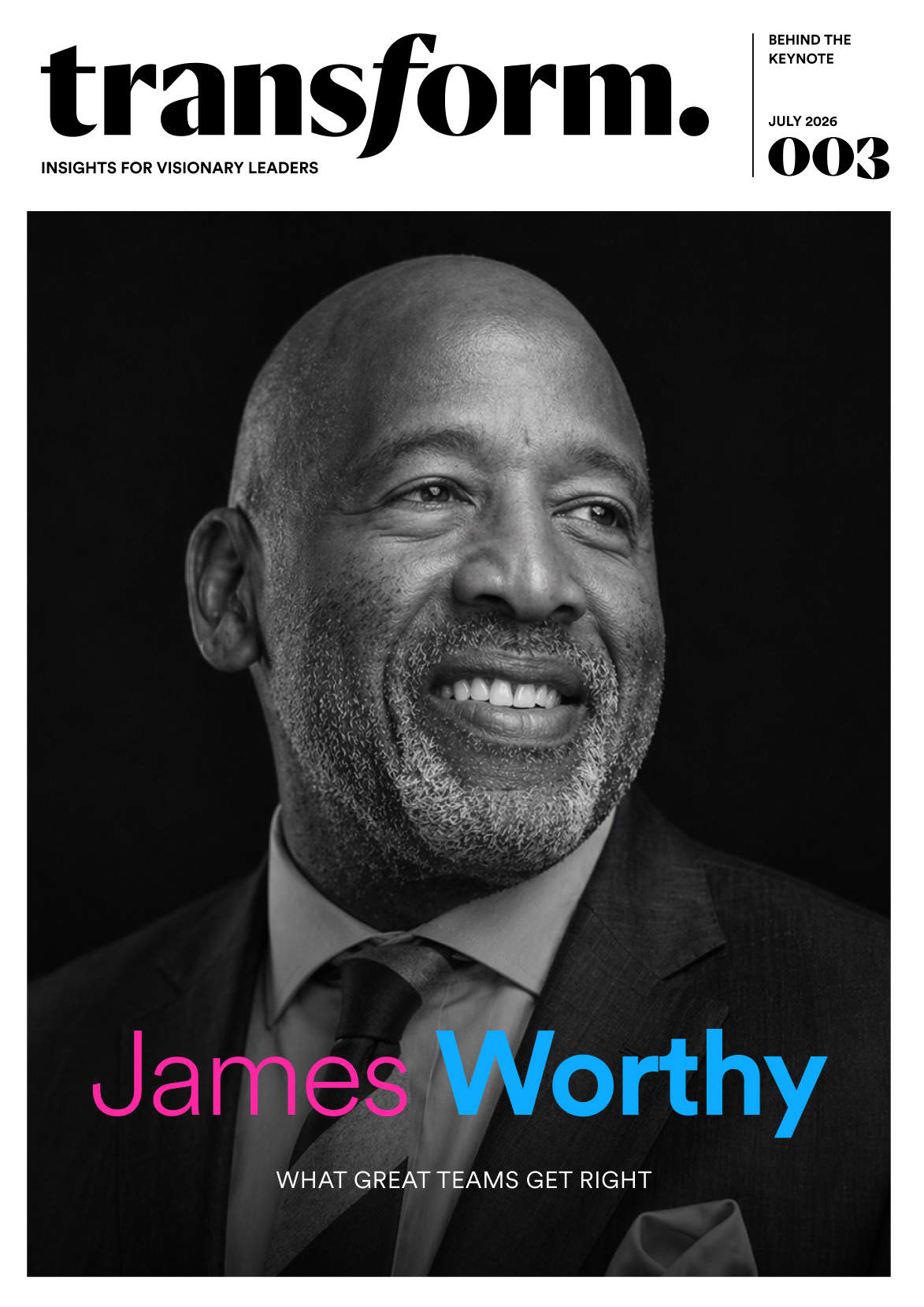
Why Great Cultures Don’t Happen by Accident
Behavioral scientist Jon Levy has spent years studying what brings people together, and it’s not the mission statement on the wall. It’s the intentional experiences that make people feel they belong.
by
Marielle Bobo
Global Head of Content Strategy
Transform
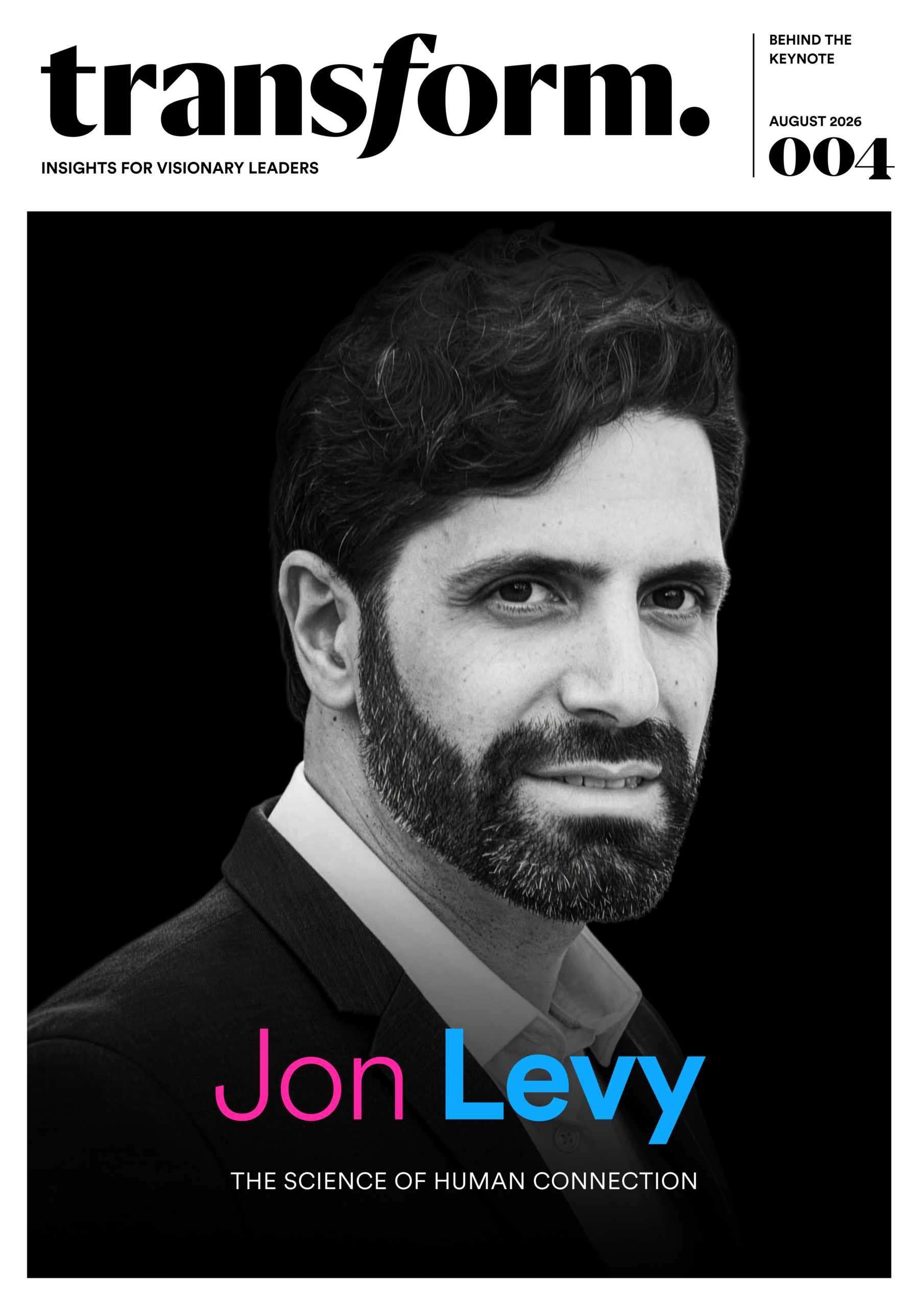
Jon Levy on Human Connection and Workplace Culture
- Great cultures are designed, not discovered. Community used to form by accident through churches, leagues, and civic groups. Those structures have faded, so leaders now have to build connection on purpose.
- Isolation, not AI, is the real threat. “We have very few structured systems for being around people anymore.” Find the cadence of gathering that keeps your team healthy, functioning, and inspired.
- Trust starts with a small ask. In one study, strangers refused directions but helped once they’d first been asked the time. Doing someone a small favor makes them more willing to help again.
- Don’t wait for a crisis to connect. Introducing two departments only when a project is on fire is backwards. The relationship needed to exist already, built through dozens of small, everyday interactions.
- People remember experiences, not information. A slide deck rarely changes anyone. A sense of belonging, a voice in the room, a problem tackled together — those are the moments that build culture and can’t be replicated on a screen.
Jon Levy has spent years studying human connection and what it takes to bring people together. Yet his fascination with the subject didn’t begin in a research lab. It began with his own moments of isolation. Spend too many consecutive days working from home, he says, and he notices it almost immediately. “I start to realize, ‘Wait…I’m starting to feel disconnected. Sad. Isolated,'” he says. “So I start getting on the phone, or I start planning events so that I can gather people.”
For Levy, gathering people isn’t simply part of his profession. It’s how he stays healthy. That instinct eventually became a career. Today, he’s one of the world’s leading experts on human behavior and connection. Companies hire him to help people build trust faster, strengthen teams, and create communities where collaboration happens naturally.
Levy views belonging as a fundamental human need and understands the impact on people and organizations when it’s missing. Building on the ideas he shared during his Transform 2026 Main Stage conversation, Levy makes a compelling argument for leaders navigating the future of work: Great cultures aren’t discovered. They’re designed.
“We have very few structured systems for being around people anymore. We have to be intentional.”

The Real Threat Isn’t AI. It’s Isolation.
Organizations spend enormous amounts of time thinking about productivity. Far less attention is given to proximity. Levy believes human connection is one of the biggest challenges facing the modern workplace.
For generations, people found community almost by accident. Churches. Neighborhood associations. Recreational leagues. Civic organizations. Weekly gatherings that brought people together whether they realized they needed them or not. Many of those structures have quietly disappeared.
At the same time, remote work, constant travel, and digital communication have made it easier than ever to work without ever truly connecting. “One of the big problems right now is that we have very few structured systems for being around people,” Levy says. “So we have to be really intentional. What is the cadence that you need that keeps you healthy and functioning and inspired?”
That’s the question he believes every organization should be asking. Not just how people work. But how they stay connected while doing it. Because culture quietly erodes when people stop feeling like they’re part of something bigger than themselves.
Trust Doesn’t Start With Big Moments
One of Levy’s favorite studies on how trust works starts on a sidewalk. Researchers stopped strangers on the street and immediately asked them for complicated directions. Most people declined. Then they tried something different.
First, they asked for something incredibly small. “Excuse me…do you have the time?” Once people answered, they followed up with the request for directions. Almost everyone helped.
This shines a light on how most people assume relationships work. “It’s actually because you were an inconvenience, I’m willing to be inconvenienced again,” Levy says. Most of us assume asking for something makes us a burden. His research says the opposite: small asks build the trust that makes bigger ones possible later.
“We’re scared that we’re going to bother somebody or interrupt their life,” he says, “when really that’s the nature of a relationship.” Translate that to an org chart, and the takeaway is clear: waiting until a project is on fire to introduce two departments is backwards. The relationship needed to exist already.
The strongest cultures are built through dozens of seemingly insignificant interactions: a coffee chat, an introduction, a quick favor, a moment of generosity, that quietly compound over months and years.
“Coming together creates a sense of belonging that simply doesn’t feel the same coming through a screen.”
Join your peers, business leaders and an all-star line-up of speakers to shape the future of people + work.

April 12-14 | Fontainebleau Las Vegas
People Remember Experiences More Than Information
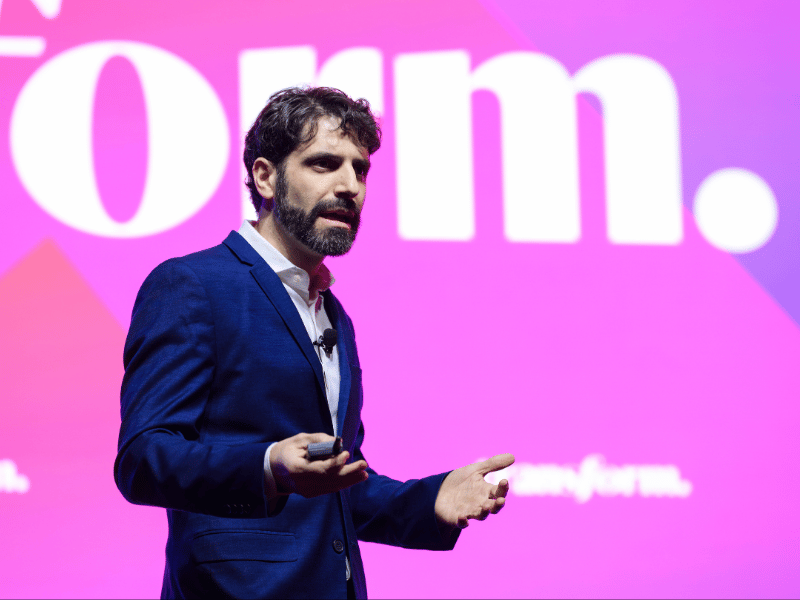
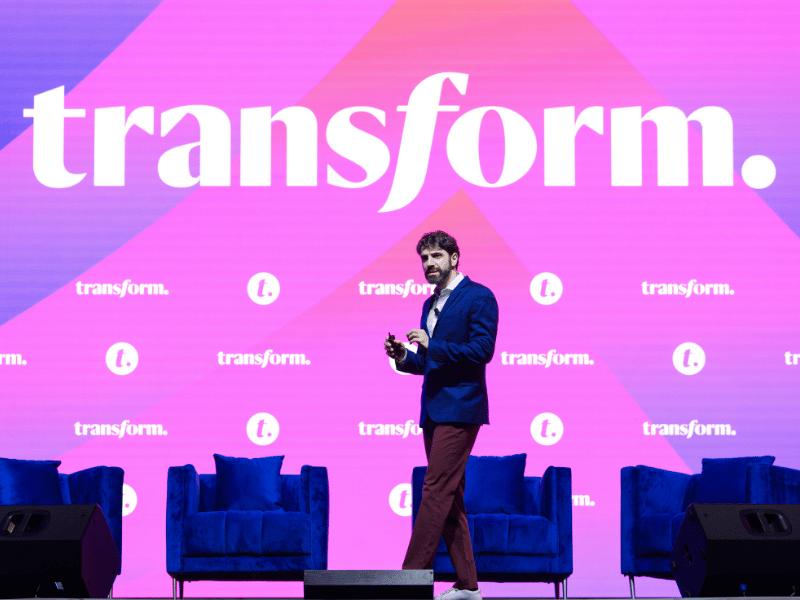
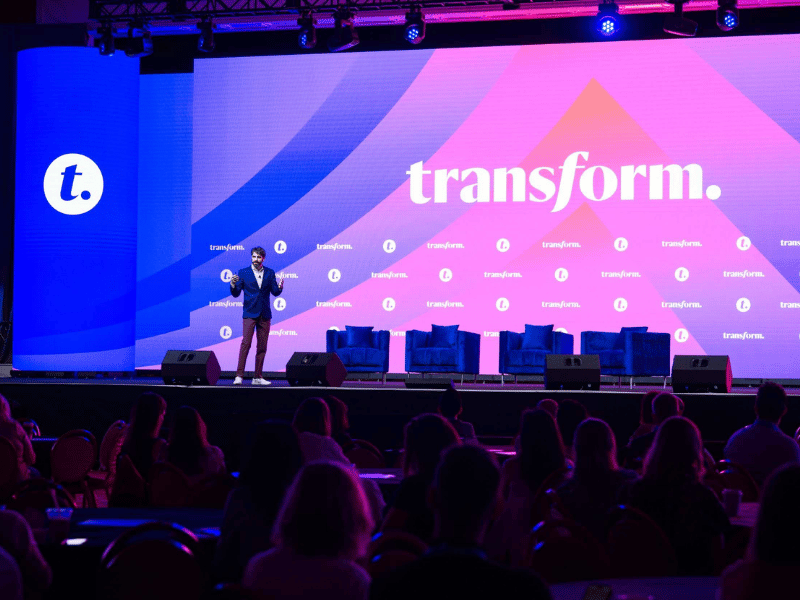
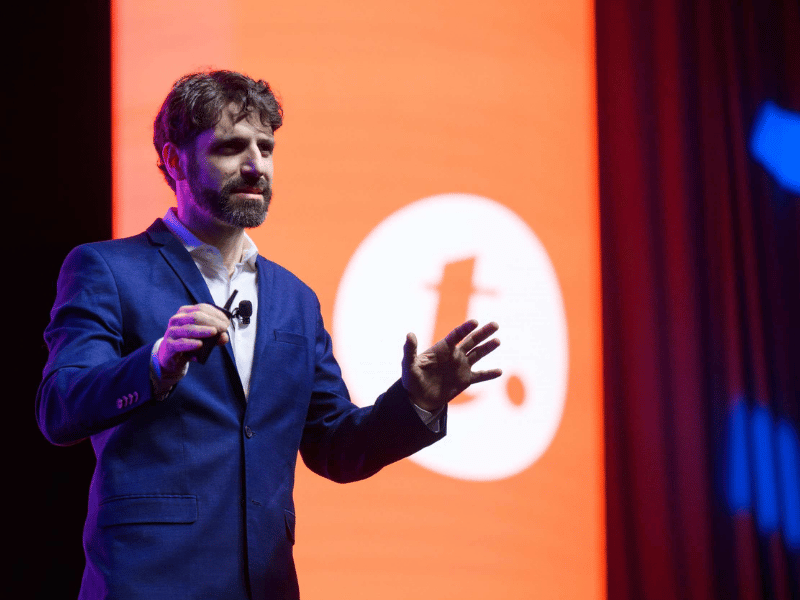
Traditional leadership development often focuses on sharing knowledge. Levy believes that’s only the beginning. “When you look at most [learning forums], it’s a one-directional experience,” he says. “If you’re really lucky, what you can get away with in a 20-minute talk or an hour talk is a perspective shift.”
He wanted more than that from his Transform Main Stage session. The goal was for participants to feel the power of connection, not just hear about it. “I wanted to give people an emotional experience,” he says. “I wanted it experiential in nature, so that when we talk about an idea, you’ve done it. And then we can talk about how it works, why it works, and how you can apply it to your teams or in your life.”
So instead of explaining trust or belonging, he built a room-sized activity people actually lived through, guiding them through an exercise before unpacking the science behind it. The approach reflects a simple belief: people rarely remember every word they hear, but they never forget how an experience made them feel.
Designing Moments That Build Human Connection
Levy’s fascination with community began in childhood. “People are often surprised to hear that I was incredibly awkward as a kid and had really no friends,” he recalls. “Growing up lonely is tough, and it gives you insight into how important it is to bring people along.”
That experience led him to spend years studying the science of trust, belonging, leadership, and relationships. Not simply to better understand his own experiences, but to help others avoid the isolation he once felt. As organizations grapple with rising levels of loneliness, disengagement, and burnout, creating opportunities for genuine connection has become a business imperative.
Levy believes those opportunities come to life through the everyday moments that shape how people experience work: a thoughtful introduction, a shared meal, a conversation between colleagues who otherwise may never have met, or an opportunity for someone to feel included instead of invisible. Individually, those moments may seem small. Collectively, they become culture, and creating them is one of a leader’s most important responsibilities.
“One of the biggest mistakes people make is waiting until they’re in a dire situation to connect with someone.”
Why Shared Experiences Matter
Technology has made it easier than ever to share information. What it can’t fully replicate is the experience of tackling a challenge together. Levy believes that’s the difference. “It helps create a sense of belonging,” he says. “You’re part of something.”
He laughs about what the world of virtual work has become: people sitting at home, camera off, microphone muted, making breakfast while someone talks through another slide deck. That’s not the kind of experience that builds lasting relationships or sparks new ideas.
Put a room full of people wrestling with the same problem in one place, Levy says, and “everywhere you turn, there are ideas being shared and discussed.” Compare that to a calendar packed with back-to-back meetings, where attention shifts every 30 minutes and conversations rarely have time to deepen. “There’s rapid task switching,” he says, “so it doesn’t allow you to immerse yourself.”
Whether it’s a team off-site, a strategy session, or a conference like Transform, shared experiences create space for the conversations, trust, and unexpected connections that are difficult to manufacture through a screen alone.
What This Means in Practice for People Leaders
Levy’s work reminds us that the strongest workplace cultures are built through intentional moments of human connection. For people and business leaders, that means:
Design connection with the same intention you design strategy.
Relationships rarely happen by accident anymore. Create recurring moments for people to gather, collaborate, and build trust.
Invest in small interactions before they're needed.
Trust grows through consistent, everyday exchanges, not only during moments of crisis.
Turn values into experiences.
If collaboration, belonging, or innovation are organizational priorities, create experiences that allow employees to practice those behaviors, not simply hear about them.
Pay attention to who feels invisible.
Every thoughtful introduction, invitation, or shared conversation has the power to reshape someone’s experience at work.
Protect opportunities for in-person connection.
Whether through conferences, team gatherings, or collaborative off-sites, shared experiences deepen trust in ways digital interactions rarely can.
Leadership’s Greatest Design Challenge
Leaders spend enormous amounts of time creating strategies and operating models. Far fewer spend the same energy exploring how their people connect.
Levy thinks that’s the opportunity sitting in plain sight. People thrive when organizations intentionally design opportunities for human connection. That’s the work. Not designing better org charts, but designing better experiences.
Because great cultures aren’t built by accident. They’re built one conversation, one shared experience, one act of generosity, and one intentional interaction at a time.
FAQs
Why does Jon Levy say great cultures are designed, not discovered?
He argues community used to form by accident through churches, leagues, and civic groups, but those structures have disappeared while remote work deepens isolation. With few systems left for being around people, leaders must be intentional. Great cultures aren’t discovered; they’re designed through recurring moments that help people feel they belong.
What does the "ask for the time" study reveal about building trust?
Researchers found strangers refused complex directions, but if first asked something small, like the time, almost everyone then helped. Levy’s insight: doing a small favor makes people more willing to help again. Small asks build trust that makes bigger ones possible. We fear being a burden, but that’s actually the nature of relationships.
Why do in-person shared experiences matter more than virtual ones?
Levy says being in person gives you belonging and a real voice—shout from a crowd and you’re heard, which virtual platforms can’t replicate. Gathering people around one problem creates immersive conversation where ideas flow everywhere. Daily work forces rapid task-switching every 30 minutes, so conversations rarely deepen. Shared experiences build trust screens can’t.
Why should leaders build connection before it's needed?
Levy says the biggest mistake is waiting until a dire situation to connect with someone. Introducing two departments only when a project is on fire is backwards. The relationship needed to exist already. Strong cultures form through dozens of small interactions: a coffee chat, an introduction, a quick favor, that compound over months and years.
Who is Jon Levy and what was his Transform keynote about?
Jon Levy is a behavioral scientist and one of the world’s leading experts on human connection, hired by companies to help teams build trust faster. In his Transform 2026 Main Stage session, he ran an experiential activity rather than a lecture, arguing that great workplace cultures are intentionally designed, not discovered.
More Behind the Keynote Features